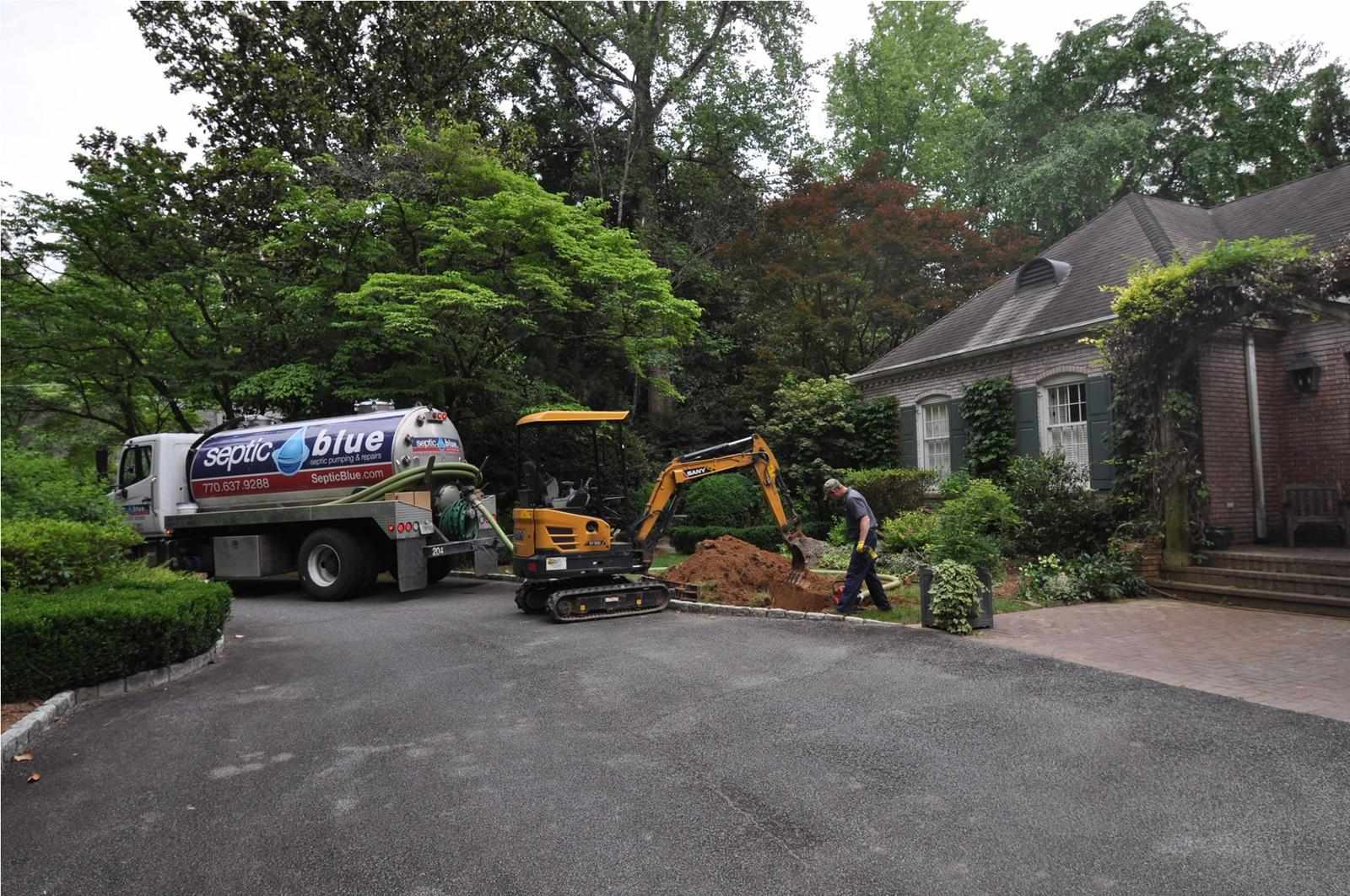
Septic Pumping After Heavy Rain: Why Timing Matters
Heavy rain can be a relief for dry lawns and gardens—but for homeowners with septic systems, it can quietly create a mess underground. If you’ve ever noticed slow drains, odd smells, or soggy patches in your yard after a storm, your septic system may be struggling. That’s where timing becomes everything.
When it comes to professional septic pumping in Lilburn, pumping too early, too late, or without understanding soil conditions can do more harm than good. Let’s break down what really happens to a septic system after heavy rain—and why smart timing can save you from expensive repairs.
How Heavy Rain Affects Your Septic System
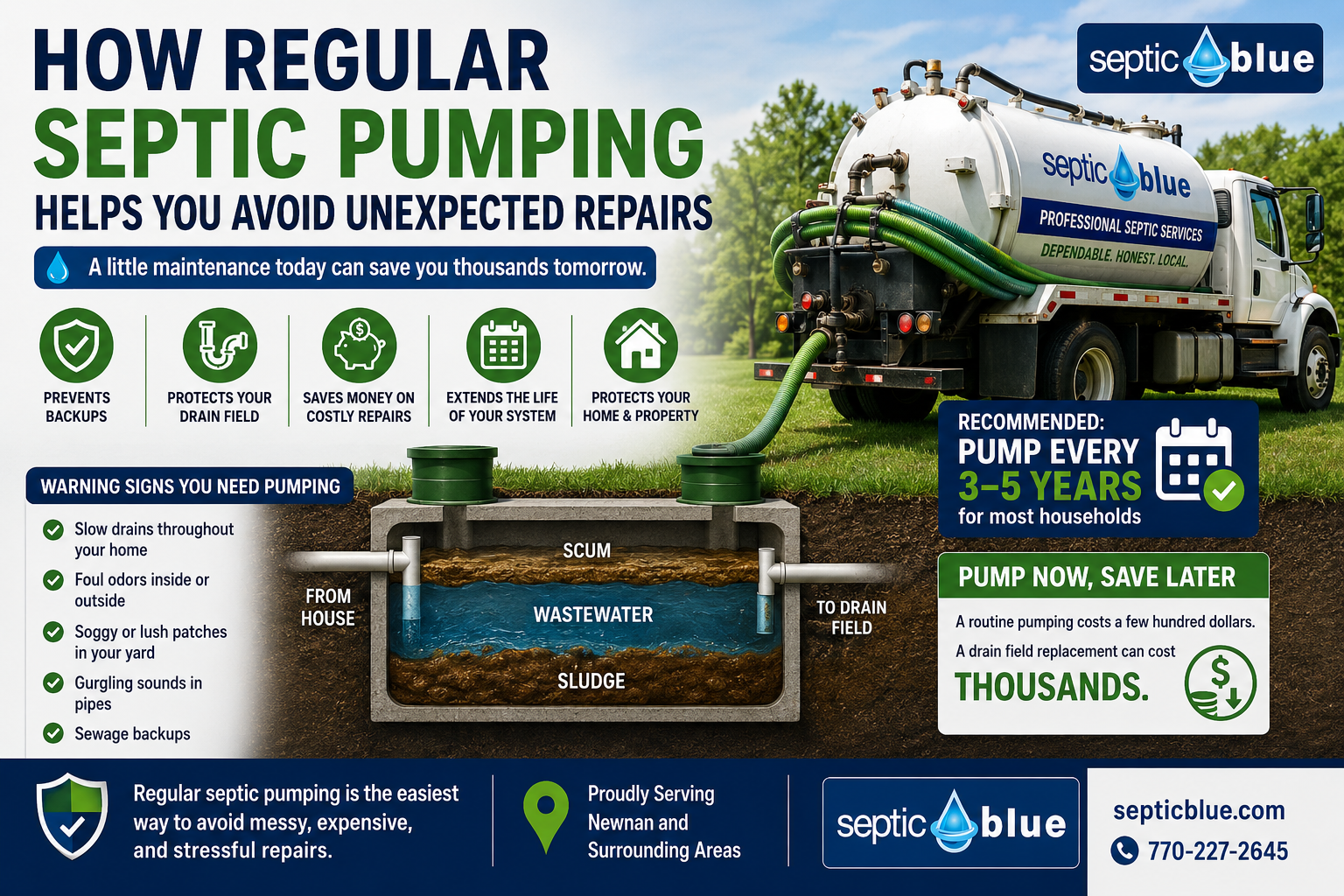
A septic system depends on balance. Wastewater flows into the tank, solids settle, and liquids drain into the soil through field lines. Heavy rain disrupts that balance fast.
Here’s what rain does underground:
Saturates the soil around your drain field
Slows down wastewater absorption
Raises the groundwater level
Adds pressure to already full septic tanks
When soil is oversaturated, it simply can’t absorb more water. That means wastewater has nowhere to go. The result? Backups, odors, and sometimes sewage surfacing in your yard.
This is why Septic Pumping in Lilburn often spikes after major storms.
The Big Mistake: Pumping Too Soon After Rain
This might surprise you, but pumping your tank immediately after heavy rain isn’t always the best move.
Here’s why it can backfire:
Wet soil can collapse around the tank
Empty tanks can float due to high groundwater (yes, this happens)
Saturated drain fields still can’t accept wastewater
Pumping won’t fix field line issues caused by flooding
A lot of homeowners think, “The tank is full, just pump it.” But when the ground is waterlogged, pumping may only offer temporary relief—or worse, cause structural damage.
At Septic Blue of Griffin, we see this mistake more often than we’d like.
The Other Risk: Waiting Too Long
On the flip side, waiting too long after rain can be just as risky.
If your tank was already near capacity before the storm, rain can push it over the edge. Warning signs usually show up fast:
Gurgling drains
Sewage smells inside or outside
Toilets flushing slowly
Wet spots that don’t dry out
Ignoring these signs can lead to backups inside your home—one of the most expensive and unpleasant septic failures.
This is why Septic Pumping in Lilburn should never be delayed once symptoms start.
So… When Is the Right Time to Pump?
Timing septic pumping after heavy rain is about conditions, not the calendar.
The best window usually depends on:
How saturated your yard is
Whether symptoms are active
Tank fill level
Drain field performance
In many cases, waiting a few days after rainfall allows soil to firm up and groundwater levels to drop. That’s often the safest time to pump.
That said, if sewage is backing up or surfacing, pumping becomes urgent—even in wet conditions. A professional evaluation matters here.
Why Local Knowledge Matters in Lilburn
Lilburn’s soil composition and drainage patterns play a big role in septic performance. Some areas hold water longer than others, especially after extended rain.
This is where local experience matters.
Septic Blue of Griffin understands how rain impacts septic systems in and around Lilburn. We don’t just pump—we assess whether pumping will actually help right now or if waiting briefly will protect your system.
That judgment saves homeowners money and prevents repeat problems.
What Septic Pumping Can (and Can’t) Fix After Rain
Let’s be honest—septic pumping isn’t magic.
What pumping can do:
Reduce tank pressure
Prevent indoor backups
Remove excess solids
Buy time for drain fields to recover
What pumping won’t fix:
Flooded drain fields
Collapsed or damaged field lines
Soil that can’t absorb water
Structural tank damage
This is why Septic Pumping in Lilburn should always be paired with a proper inspection, especially after storms.
Smart Steps Homeowners Should Take After Heavy Rain
If your area just had a major storm, here’s what actually helps:
Limit water use inside the home
Avoid running multiple appliances at once
Watch for early warning signs
Don’t drive over the drain field
Call a professional before pumping blindly
One thing that usually fails? Ignoring the problem and hoping it dries out on its own. That’s how small issues turn into full system failures.
Preventive Pumping Before Rainy Seasons
Here’s a strong opinion based on real-world results:
The best septic pumping happens before heavy rain—not after.
Septic tank pumping is always a crucial part of septic maintenance, but it becomes even more essential when rainfall is heavy. Routine pumping keeps solids from pushing into field lines during storms. It gives your system breathing room when rain hits hard.
Homeowners who schedule regular service with Septic Blue of Griffin tend to avoid emergency calls altogether.
That’s not luck—it’s planning.
Why Professional Timing Beats DIY Guesswork
Google can’t see underground. Your neighbor’s advice doesn’t account for your soil. And pumping “just in case” can be risky.
Professional septic providers evaluate:
Ground saturation
Tank condition
System layout
Real risk vs. false alarms
When it comes to Septic Pumping in Lilburn, timing based on experience always beats guesswork.
Final Thoughts: Timing Is the Difference Between Relief and Regret
Heavy rain doesn’t automatically mean septic pumping is needed—but when it is needed, timing matters more than anything.
Pump too early, and you risk damage.
Wait too long, and you risk backups.
Get expert guidance, and you protect your system.
If you’re unsure what your septic system needs after a storm, Septic Blue of Griffin is here to help. We know when pumping makes sense—and when waiting a little longer is the smarter move.
Because with septic systems, when you act matters just as much as what you do.

Write a comment ...