
Most people don’t think about their septic tank until something goes wrong. And honestly, that’s usually the problem. A septic system quietly handles all the wastewater from your house every single day. But when it gets ignored for too long, things can get messy fast. Bad smells, backed-up toilets, soggy yards — none of it is fun.
The EPA says around 20% of homes in the United States use septic systems. That’s millions of homeowners depending on proper septic maintenance to avoid expensive problems. Regular reliable septic pumping in Dallas, GA, helps keep systems running properly and protects nearby soil and water from contamination. Most septic disasters people deal with could have been avoided with simple maintenance.
What Is Septic Pumping?
Septic pumping is basically cleaning out your septic tank before it gets overloaded with waste.
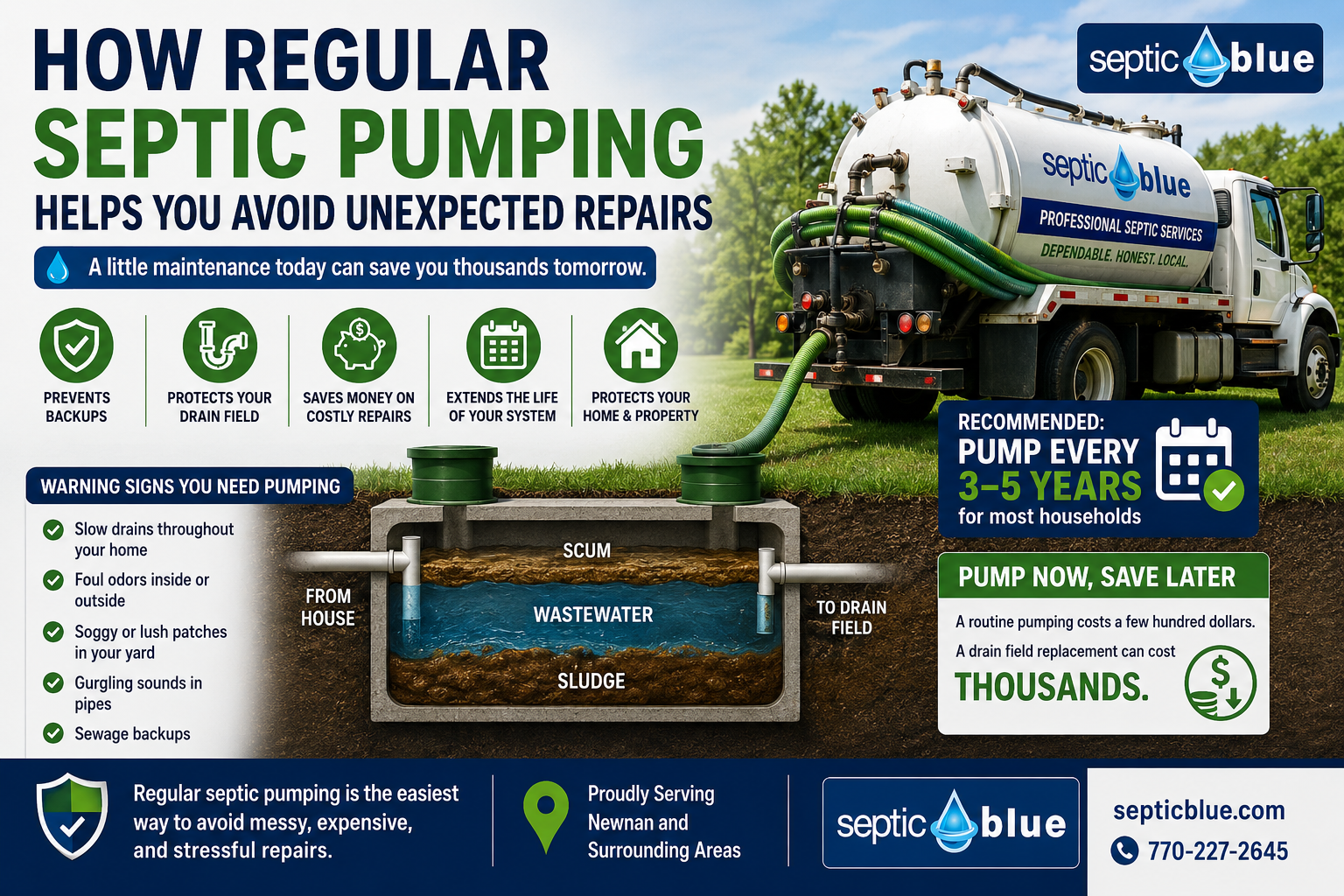
Inside the tank, solid waste settles at the bottom. Grease and oils float to the top. The middle layer of liquid wastewater flows out into the drain field. Over time, the solid sludge builds up. If nobody pumps it out, the tank stops working properly.
Think of it like never taking the trash out of your kitchen. At first, things seem fine. Then eventually everything overflows and smells terrible.
That’s pretty much what happens to septic systems too.
Why Septic Pumping Actually Matters
A lot of homeowners think septic pumping is something companies just recommend to make money. I’ve heard that opinion many times. But the truth is, skipping maintenance usually costs way more later.
What usually works is simple:
Regular pumping every few years
Being careful about what goes down drains
Catching small issues early
What often fails?
People wait until sewage backs up into the house. By then, the damage may already be serious.
And honestly, I think septic maintenance is one of those boring home responsibilities that people underestimate way too much. It’s not exciting, but it protects your property more than most homeowners realize.
How a Septic System Works
A septic system is pretty simple when you break it down.
Wastewater from toilets, sinks, showers, and laundry flows into the septic tank. The tank separates solids from liquids. The liquid moves into the drain field where soil naturally filters it.
That’s the system doing its job.
But when the tank gets too full, solids can escape into the drain field. That’s where major problems start. Once the drain field gets clogged, repairs become harder and much more frustrating.
Signs Your Septic Tank Needs Pumping
Most septic systems give warning signs before they completely fail.
Here are some common ones homeowners notice first:
Slow Drains Everywhere
One slow sink may not mean much. But when multiple drains slow down at once, that’s usually a red flag.
Bad Smells Around the Yard
If your yard smells like sewage, something isn’t right. Septic smells outside often mean the tank is overloaded or leaking.
Wet or Soggy Grass
This one surprises people. Extra-green grass around the septic area can actually mean wastewater is leaking underground.
Gurgling Pipes
Weird bubbling or gurgling noises from toilets or sinks can signal drainage problems inside the system.
A lot of people ignore these signs because the system still “sort of works.” That’s usually a mistake.
How Septic Pumping Protects Your Property
Most homeowners only think about the tank itself. But septic issues can affect your whole property.
It Helps Prevent Sewage Backups
Nobody wants sewage coming back into the house. It’s stressful, disgusting, and difficult to clean properly.
Regular pumping reduces the chance of blockages before they turn into emergencies.
It Protects Your Yard
A failing septic system can ruin landscaping fast. Soggy areas, smells, and wastewater leaks can make parts of your yard unusable.
And honestly, fixing yard damage after a septic issue is frustrating because it often tears up grass, soil, and sometimes driveways too.
It Helps Your System Last Longer
Septic systems are expensive to replace. Regular pumping helps reduce wear and tear on the entire setup.
It’s similar to maintaining a vehicle. Small maintenance jobs usually extend the life of bigger systems.
How Septic Pumping Protects the Environment
This part matters more than many people think.
A neglected septic system doesn’t only affect one property. It can affect nearby water and soil too.
Groundwater Can Get Contaminated
When septic systems overflow or leak, harmful bacteria can seep into groundwater.
That’s a serious issue because many homes rely on groundwater wells for drinking water.
According to the EPA, poorly maintained septic systems are one of the causes of groundwater pollution in some areas.
Nearby Streams and Lakes Can Be Affected
Heavy rain in Georgia can spread contaminated wastewater into nearby waterways.
This pollution can harm fish, wildlife, and local ecosystems. It can also create health risks for people.
Regular septic pumping helps reduce that risk by keeping the system working properly underground.
What Usually Causes Septic Problems?
Most septic issues come from everyday habits homeowners don’t think about.
Flushing the Wrong Things
One of the biggest mistakes people make is flushing wipes.
Even wipes labeled “flushable” can still cause problems. In my opinion, those products create more septic issues than most homeowners realize.
Other bad items include:
Paper towels
Grease
Feminine products
Cotton swabs
Chemicals
If it doesn’t break down naturally, it probably shouldn’t go into a septic system.
Using Too Much Water at Once
Doing five loads of laundry back-to-back can overload the system.
Spacing out water usage helps the septic tank process waste more efficiently.
Skipping Routine Maintenance
This is probably the biggest reason systems fail early.
People often wait until there’s a problem because the system is underground and easy to forget about. But septic systems work best when they’re maintained before trouble starts.
How Often Should a Septic Tank Be Pumped?
Most homes need septic pumping every three to five years.
But there’s no perfect one-size-fits-all answer.
Some homes need it sooner because of:
Larger families
Heavy water use
Garbage disposals
Older systems
Smaller households may go longer between pumpings.
What usually works best is having the tank inspected regularly instead of guessing.
What Happens During Septic Pumping?
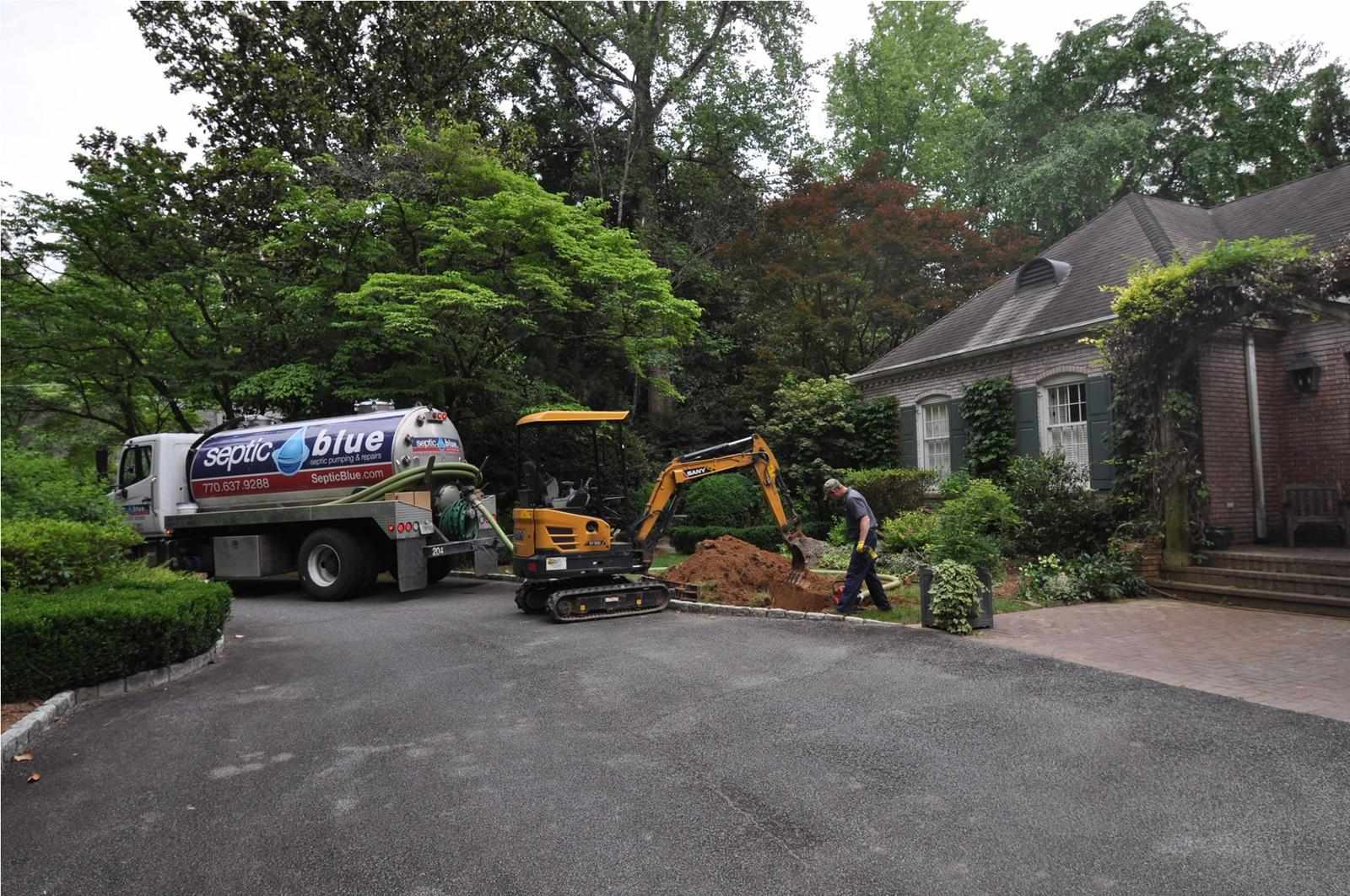
A lot of homeowners imagine septic pumping is some huge complicated process. It’s usually pretty straightforward.
The technician:
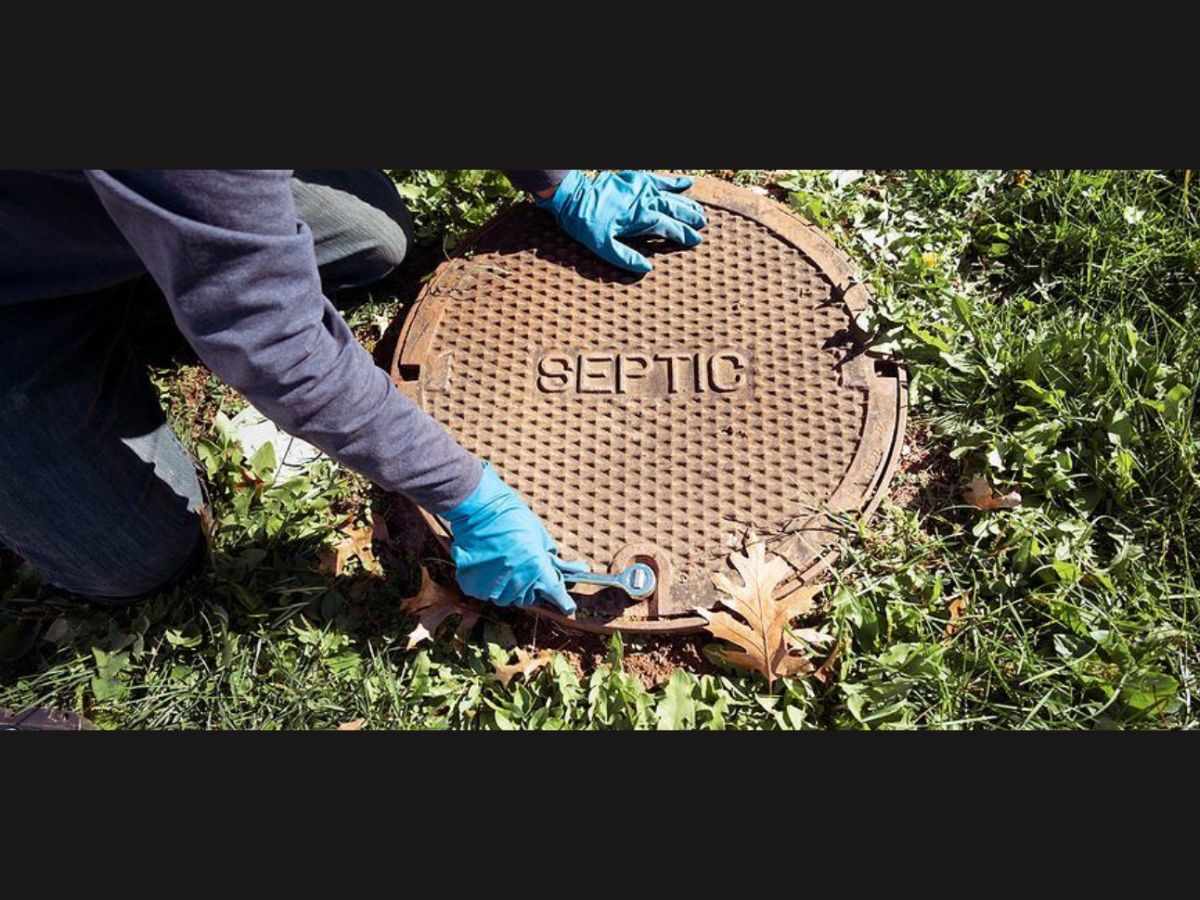
Locates the tank
Opens and inspects it
Pumps out sludge and waste
Checks for signs of damage
A good technician may also spot small issues early before they turn into expensive repairs.
And honestly, that early warning can save homeowners a lot of stress later.
Tips to Keep Your Septic System Healthy
Good septic habits are pretty simple.
Spread Out Water Usage
Try not to overload the system all at once.
Watch What Goes Down Drains
Grease, wipes, and harsh chemicals can damage the system over time.
Schedule Inspections
Regular inspections help catch problems early.
Protect the Drain Field
Don’t park heavy vehicles over the drain field area. Compacted soil can damage underground pipes.
Why Dallas Homeowners Should Take Septic Maintenance Seriously
Dallas, Georgia has many homes using private septic systems. Heavy rain, clay soil, and growing households can put extra pressure on older systems.
That’s why regular septic pumping matters here more than many people realize.
Ignoring maintenance might save money short term, but it often creates bigger problems later. And septic repairs are rarely small or convenient.
Conclusion
Septic pumping may not be something homeowners enjoy thinking about, but it plays a huge role in protecting both your property and the environment. A healthy septic system helps prevent sewage backups, protects groundwater, and keeps your yard safe and clean.
Most septic systems don’t fail overnight. Usually, there are warning signs people ignore for too long. Regular maintenance, smart water habits, and professional inspections can make a big difference over time.
For homeowners looking for dependable septic maintenance, Septic Blue of Griffin provides professional support to help keep septic systems working properly year after year.
Write a comment ...