
Septic systems do not fail all of a sudden. They fail slowly and quietly. According to the U.S. Environmental Protection Agency, failing septic systems can cost homeowners a lot in repairs and even contaminate groundwater. This is a serious problem. If you rely on professional septic pumping in Peachtree City, staying ahead of maintenance is necessary. Skipping routine pumping might save money today, but it usually leads to bigger bills later.
What Is Septic Tank Pumping. Why Does It Matter?
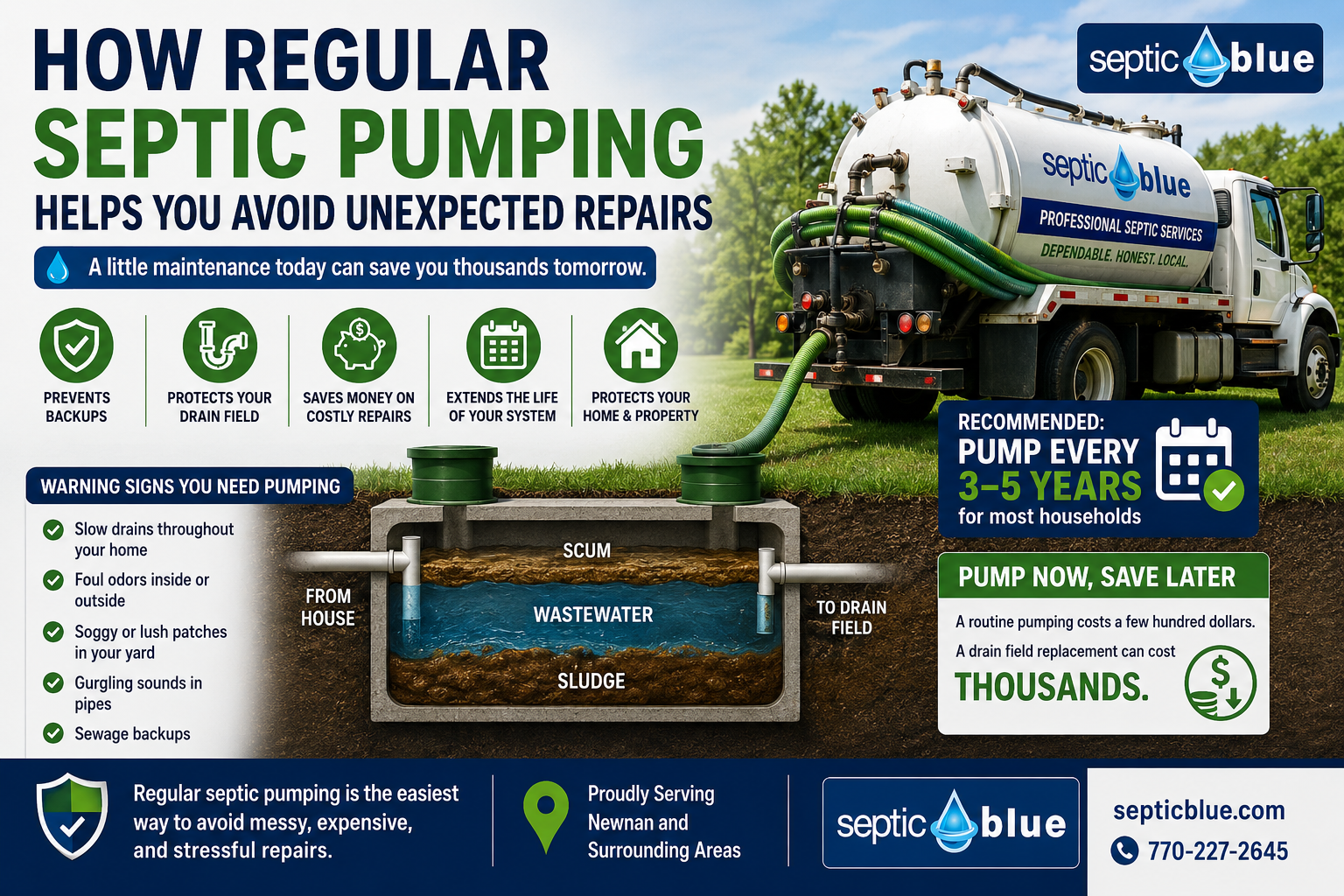
Septic tank pumping is the process of removing waste, sludge and buildup from your septic tank. Over time waste does not fully break down. It settles at the bottom. Slowly fills up the septic tank. If you ignore it the septic system has nowhere to send waste. That is when things start going slow drains, bad smells and eventually septic system failure. Think of your tank like a trash bin. If you never empty it it will overflow. Same idea, underground. And way more expensive to fix.
Why Do Septic Repairs Get So Expensive?
Most homeowners do not think about their system until something breaks. That is the problem. Here is what usually drives up costs:
Tank overflow damaging pipes
Drain field failure. This alone can cost thousands
Sewage backup inside the house
Soil contamination and environmental damage
In cases these issues could have been avoided with simple routine septic tank pumping.
5 Ways Regular Septic Tank Pumping Prevents Repairs
1. Stops Sludge Buildup Before It Becomes a Problem
What happens if sludge builds up much?
Over time solids collect at the bottom of the tank. This sludge layer gets thicker and thicker. When it reaches a level it starts blocking the septic system. That is when waste flows where it should not. Regular septic tank pumping removes this buildup before it causes damage. It keeps the tank balanced and functioning properly.
What works:
pumping every 3 to 5 years
What fails:
waiting until you notice a problem
2. Prevents Drain Field Failure
Why is the drain field so important?
The drain field filters wastewater. Returns it safely to the soil. It is a part of the septic system. And also the most expensive to replace. When the septic tank is full solids can escape into the drain field. Once that happens the soil. Stops absorbing water. At that point repairs are not cheap. In fact replacing a drain field can cost more than the tank itself.
I see this mistake a lot. People ignore septic tank pumping and suddenly they are dealing with a drain field replacement. It is avoidable. Only if you stay consistent.
3. Reduces the Risk of Sewage Backup
What does a backup actually mean?
Sewage backing up into your sinks, toilets or tubs is exactly as bad as it sounds. It is messy. It smells.. It is expensive to clean. A clean septic tank allows wastewater to flow smoothly. There is no blockage, no pressure buildup and no reverse flow into your home.
What works:
inspections along with septic tank pumping
What fails:
ignoring signs like slow drains or gurgling sounds
4. Extends the Life of Your Entire Septic System
Can septic tank pumping really make your septic system last longer?
Yes. By a lot. A maintained septic system can last 20 to 30 years or more. A neglected one? Sometimes less than 10. When waste builds up it puts stress on every part of the system. Pipes, septic tank and drain field. Over time that stress leads to cracks, leaks and failure. Regular septic tank pumping reduces that stress. It is like changing the oil in your car. Skip it. The engine wears out faster.
5. Helps You Catch Small Issues Early
Why is early detection important?
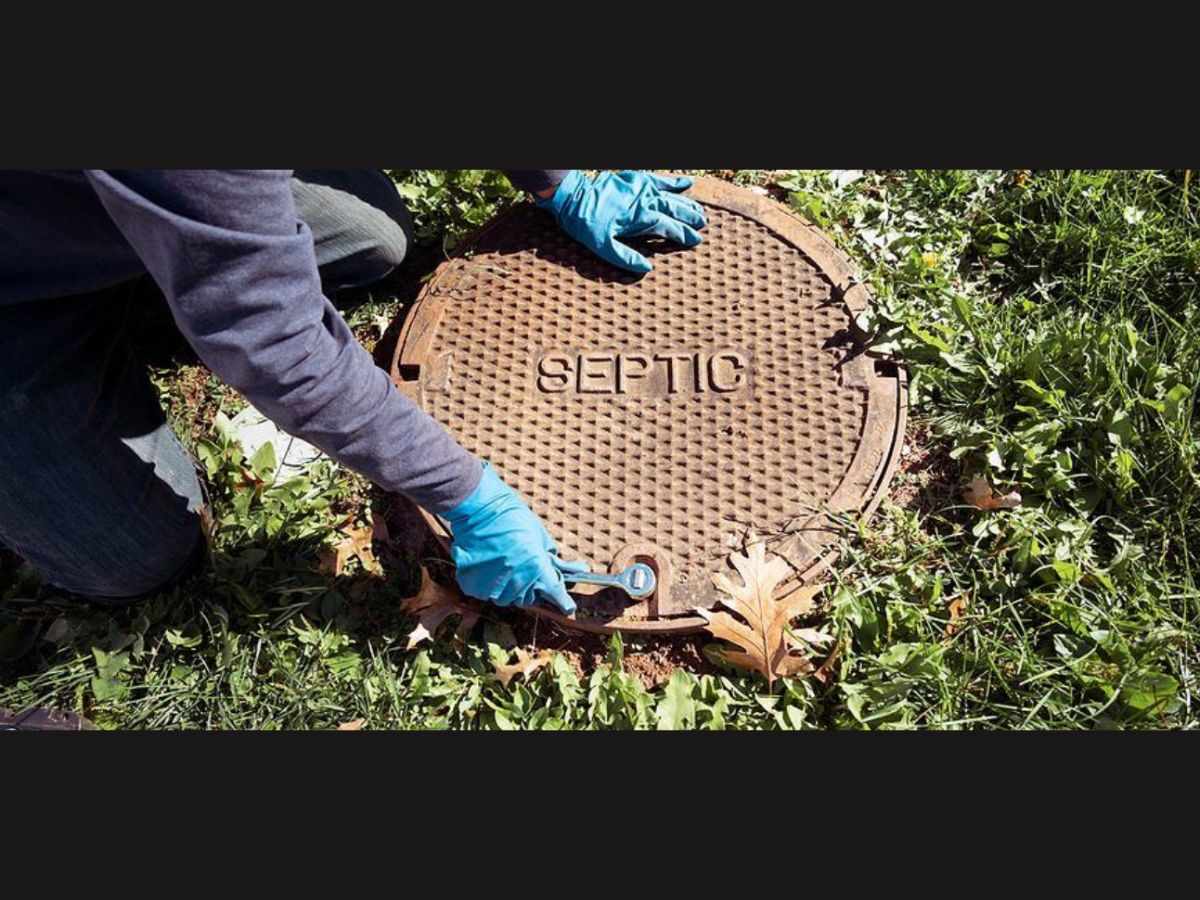
Most septic problems start small. A minor crack. A slow leak. A clogged pipe. Left alone, these become repairs. During a septic tank pumping service, technicians inspect the system. They can spot warning signs before they turn into expensive problems. This is one of the hidden benefits. You are not just cleaning the tank. You are getting a septic system check.
How Often Should You Schedule Septic Tank Pumping?
This depends on factors:
Household size
Septic tank size
Water usage habits
The general rule is every 3 to 5 years for most homes. Here is the honest part. Some homes need it more often. Large families or heavy water usage can fill a tank faster than expected. If you are unsure, it is better to check than regret it later.
Signs You Might Already Be Late on Pumping
If you notice any of these, do not wait:
Slow drains throughout the house
odors near drains or yards
Pooling water around the drain field
Gurgling sounds in pipes
Sewage backup. Worst-case scenario
These are not issues. They are warning signs.
What Usually Works vs What Fails
Let us keep it real.
What usually works:
sticking to a septic tank pumping schedule, hiring professionals, paying attention to early warning signs, and using water efficiently
What often fails:
waiting until something breaks choosing the service without checking quality, and ignoring maintenance to save money
That last one almost always backfires.
A Simple Step-by-Step Approach to Avoid Repairs
If you want to avoid septic repairs, keep it simple:
Schedule regular septic tank pumping
Keep track of your service date
Watch for warning signs
Do not overload your septic system with water
Get inspections when needed
That is it. Nothing complicated. Just consistency.
Why Local Experience Matters
Septic systems are not one-size-fits-all. Soil type, weather and usage patterns all affect performance. In areas like Peachtree City, where many homes rely on systems, local experience makes a difference. Professionals understand issues and know what to look for. That is something generic advice online often misses.
Conclusion
Septic problems do not give you warning. When they hit, they hit hard. Financially and emotionally. Regular septic tank pumping is not maintenance. It is protection. If there is one thing repeating, it is this: ignoring your septic system is always more expensive than maintaining it. From what I have seen, the homeowners who stick to a schedule rarely face issues. The ones who delay? They always pay more in the long run. If you want peace of mind and fewer surprises, working with a provider like Septic Blue of Griffin makes a real difference. Regular service, care and timely action can save you from repairs that cost far more than routine maintenance ever will.
Write a comment ...