
Most people don’t think much about their septic system until something starts smelling terrible. That’s usually how it goes. A slow drain turns into a backed-up toilet, then suddenly the yard smells like sewage after every rainstorm. In many homes, especially around growing suburban areas, this problem is more common than people realise. According to the United States Environmental Protection Agency (EPA), more than 20% of U.S. households rely on septic systems for wastewater treatment. Poor maintenance is one of the biggest reasons these systems fail. If you are searching for reliable septic pumping in Peachtree City, chances are your system is already giving you warning signs.
The truth is simple. Professional septic pumping removes waste before it damages your tank, pipes, drain field, or even your property value. It also protects your family from bacteria, contaminated water, and expensive repair bills. And honestly, regular pumping costs far less than replacing an entire septic system later.
What Does Professional Septic Pumping Actually Do?
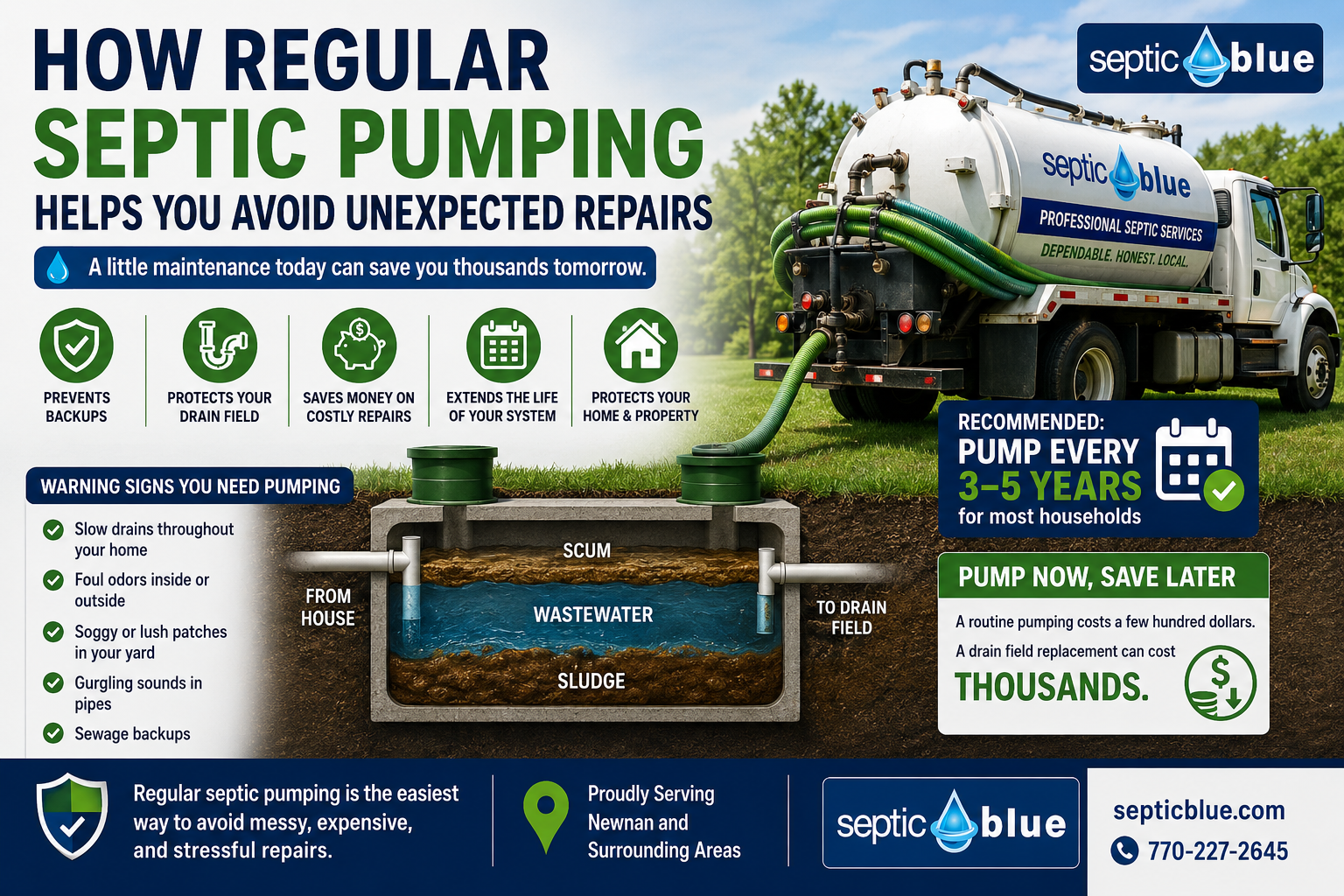
A septic tank collects wastewater from your sinks, toilets, showers, and washing machines. Solid waste settles at the bottom. Oils and grease float to the top. The middle layer of water moves into the drain field.
Over time, the solid layer gets thicker. If nobody pumps the tank, the waste starts overflowing into parts of the system that were never meant to handle solids.
Professional septic pumping removes that buildup safely.
Think of it like cleaning a vacuum cleaner bag. If you never empty it, the machine stops working properly. Septic systems work the same way, except the consequences are messier and far more expensive.
A proper pumping service usually includes:
Removing sludge and waste
Checking tank levels
Inspecting for cracks or leaks
Looking at drain field warning signs
Identifying blockages before they become emergencies
A lot of homeowners try to stretch pumping schedules too long. That usually fails. Waiting until there’s a backup is one of the worst approaches because damage may already be happening underground.
Why Septic Problems Become Health Problems Fast
Many people treat septic issues like a plumbing inconvenience. They are not. A failing septic system can create real health risks.
Raw sewage contains harmful bacteria, viruses, and parasites. According to the EPA, poorly maintained septic systems can contaminate groundwater and nearby drinking water supplies.
That matters more than people think.
What health risks can a failing septic system cause?
When wastewater backs up into sinks, tubs, or toilets, your home becomes exposed to contaminants. Children and pets are especially vulnerable because they spend more time on floors and in yards.
Common problems include:
Bad indoor air quality
Mold growth from moisture buildup
Contaminated well water
Skin irritation from exposure
Gastrointestinal illnesses caused by bacteria
One thing I’ve noticed is that homeowners often ignore small signs because the system still “kind of works.” That mindset usually backfires. Septic problems rarely fix themselves. They grow quietly underground until repair costs become painful.
What Usually Causes Septic Systems to Fail?
Most septic failures are preventable. That’s the frustrating part.
The system gives warnings early, but people miss them or hope they disappear.
Are homeowners flushing the wrong things?
Absolutely. This happens constantly.
A septic system is not a trash can. Yet people flush wipes, paper towels, grease, feminine products, and even cooking oil.
Even products labelled “flushable” often create problems. Personally, I think the word “flushable” has caused more septic issues than homeowners realise.
Things that should never go into a septic system include:
Baby wipes
Grease or cooking oil
Coffee grounds
Cat litter
Harsh chemicals
Paint or solvents
Large amounts of bleach
These materials either clog the system or kill the bacteria needed to break down waste naturally.
Can heavy water usage overload the system?
Yes, and this problem is common in larger households.
Running multiple loads of laundry, long showers, and dishwashers all at once can overwhelm the tank. The drain field may not have enough time to absorb wastewater properly.
It’s similar to pouring too much water into a sponge too quickly. Eventually, everything overflows.
Homes with older septic systems struggle even more because many were not designed for today’s water usage habits.
Signs Your Septic Tank Needs Pumping Soon
A septic system usually gives warning signs before a major failure happens.
The problem is that many homeowners ignore them.
What are the most common warning signs?
Watch for these problems:
Slow drains throughout the house
Gurgling sounds in pipes
Sewage smells near the yard
Standing water around the drain field
Toilets backing up randomly
Extra green grass patches over the septic area
That last one surprises people. Grass growing unusually fast above your drain field can mean wastewater is leaking underground.
I’ve seen homeowners celebrate the “healthy grass” without realizing it was actually a sewage problem.
How Often Should a Septic Tank Be Pumped?
This depends on household size, water use, and tank capacity.
But most residential tanks need pumping every 3 to 5 years.
Some homes need it sooner.
What factors affect pumping frequency?
Several things matter:
Number of people living in the home
Tank size
Water usage habits
Garbage disposal usage
Age of the septic system
Garbage disposals increase solid waste dramatically. Homes using them heavily often require more frequent pumping.
One mistake people make is assuming a newer home means the septic system is fine. That’s not always true. Even newer systems fail early when maintenance gets ignored.
Why Professional Pumping Works Better Than DIY Solutions
Every year, people waste money on septic additives promising miracle results.
Most don’t solve the real problem.
Do septic additives replace pumping?
No. Not really.
Some additives may help bacteria activity slightly, but they do not remove solid sludge buildup from the tank.
That’s like spraying air freshener in a room full of garbage instead of taking the trash out.
Professional pumping physically removes waste. That’s what actually protects the system long-term.
Also, septic tanks contain dangerous gases. DIY pumping attempts are risky and honestly not worth it.
How Septic Damage Hurts Property Value
Buyers notice septic issues quickly.
Even small signs can scare people away during inspections.
Can septic problems lower home value?
Definitely.
A damaged septic system can reduce property value and delay home sales. Repair or replacement costs can reach thousands of dollars depending on the damage.
Drain field replacements are especially expensive. In some cases, yards must be excavated completely.
This is why regular pumping matters financially, not just mechanically.
A well-maintained system tells buyers the property was cared for properly.
What Usually Works Best for Long-Term Septic Care?
Simple habits matter more than expensive products.
The homeowners who avoid major problems usually follow consistent maintenance routines.
Best habits for septic system health
Here’s what actually works:
Schedule routine pumping
Use water efficiently
Fix leaks quickly
Avoid flushing harmful materials
Keep heavy vehicles off the drain field
Inspect the system regularly
Honestly, consistency beats everything else here.
People often wait until something smells bad before acting. That approach almost always costs more later.
Common Septic Myths That Cause Problems
Bad advice spreads fast online, especially about septic systems.
“If nothing smells bad, the system is fine.”
Not true.
Many septic issues happen underground long before odors appear.
“Flushable wipes are safe.”
Usually false for septic systems.
Many plumbers and septic companies constantly remove wipe blockages.
“Additives eliminate the need for pumping.”
Also false.
No additive removes solid sludge buildup completely.
I personally think too many companies market “quick fixes” instead of encouraging proper maintenance. Homeowners end up paying the price later.
Why Local Weather and Soil Conditions Matter
In areas with heavy rain, septic systems can struggle more because saturated soil absorbs wastewater slowly.
This matters in suburban neighbourhoods where properties rely heavily on drain fields.
Can rain affect septic performance?
Yes.
After storms, overloaded soil may prevent wastewater from draining properly. This can lead to temporary backups or standing water.
That’s why inspections matter. A professional can spot early drainage issues before they become system failures.
Simple Steps Homeowners Can Take Today
You do not need to wait for a disaster to protect your septic system.
Start with small actions.
Easy preventative steps
Schedule pumping if it has been over 3 years
Watch for slow drains or odors
Reduce excessive water use
Stop flushing wipes immediately
Keep maintenance records
Those five habits alone prevent many major septic emergencies.
And honestly, routine maintenance is boring. But boring maintenance is far cheaper than emergency excavation work in your front yard.
Final Thoughts
Professional septic pumping protects more than pipes and tanks. It protects your home, your health, your yard, and your wallet.
Most septic disasters happen because small warning signs were ignored too long. Slow drains, odors, soggy grass, or random backups usually mean the system is asking for attention. Acting early almost always saves money.
The homeowners who avoid major repairs are usually the ones who stay consistent with maintenance instead of waiting for a crisis. It’s not glamorous work, but it matters.
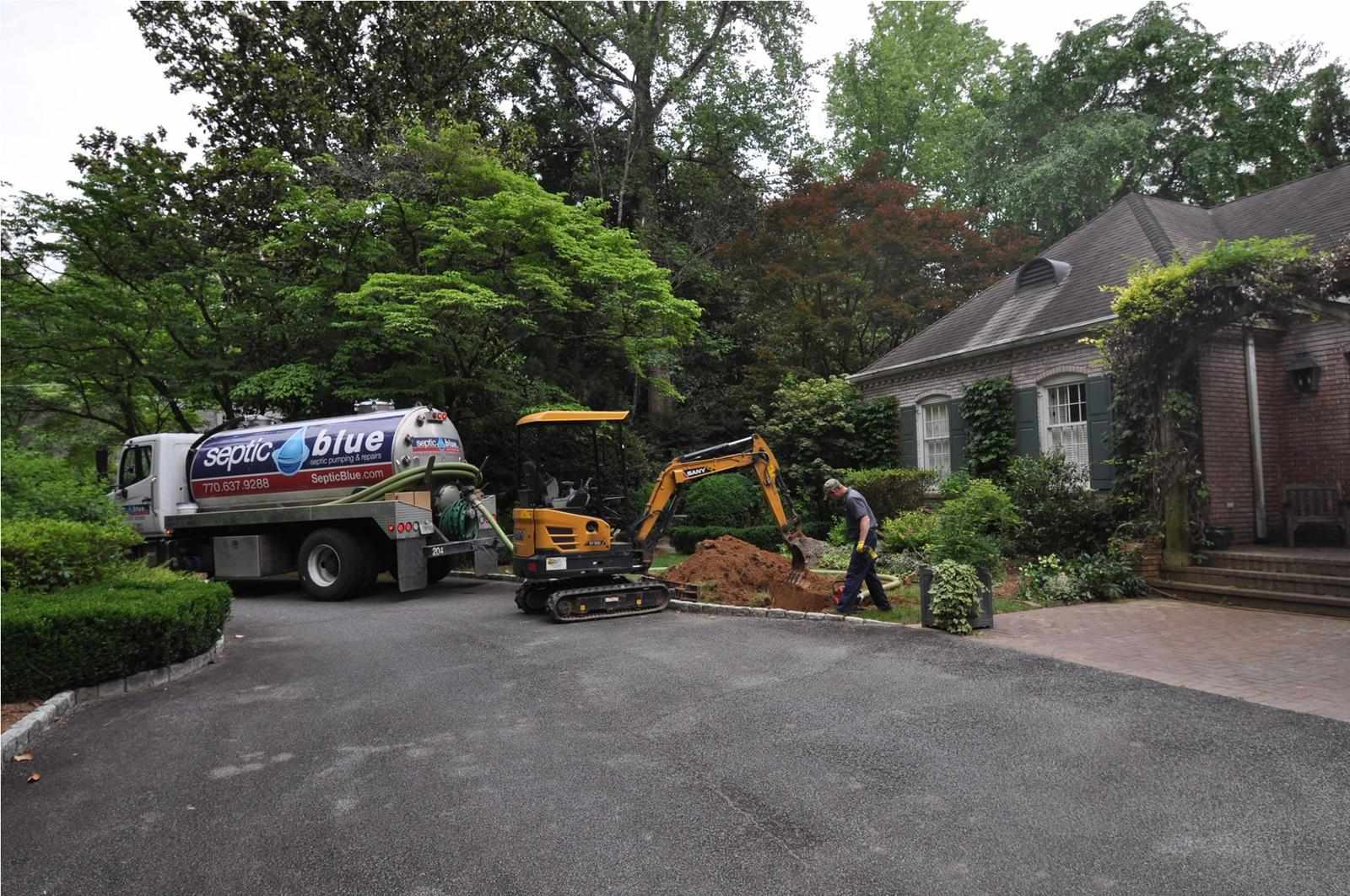
If your septic system has not been inspected or pumped in years, now is probably the time to stop putting it off. Companies like Septic Blue of Griffin help homeowners keep their systems working properly before small issues turn into expensive disasters.
Write a comment ...